Lantern gulper
Saccopharynx pinnata
A ribbon-bodied predator with an expandable jaw and a tail tip that ends in a pale luminous knot. Stomach contents suggest it ambushes migrating shrimp in near-total darkness.
Hadal Zone Research · Est. 2011
Abyssline Institute is a nonprofit ocean-science group in Monterey, California. We build the instruments, run the expeditions, and publish the data that map the deepest, least-visited habitat on Earth.
Named for the firefly genus, Lampyra is our purpose-built remotely operated vehicle. She carries the lights, cameras, and sampling arms that let a shore-side team work the seafloor eleven kilometers down without ever getting wet.
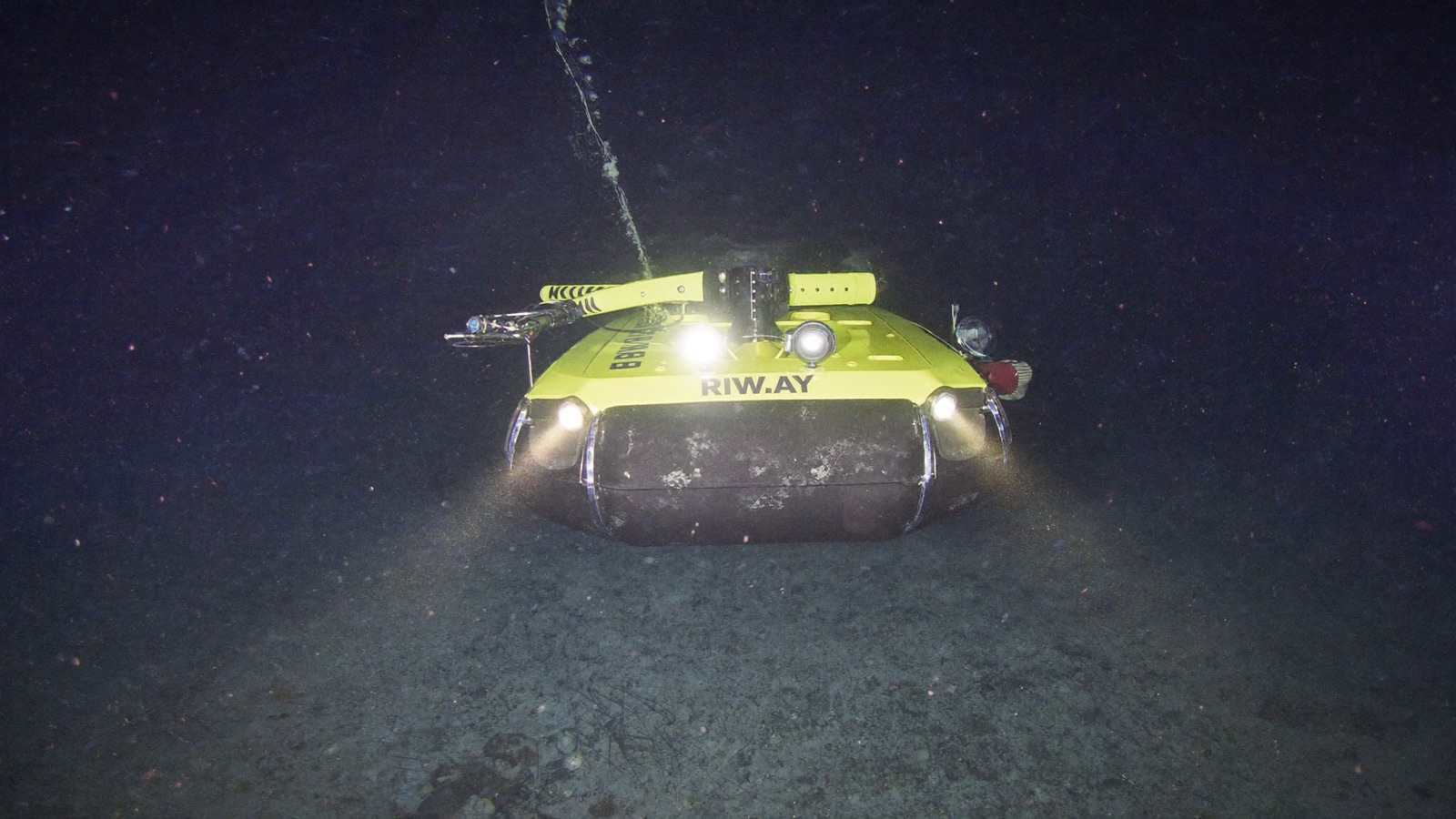
Lampyra dives from the R/V Petrel Song, our 34-meter research vessel berthed at Monterey Harbor. A full seafloor cycle to hadal depth and back takes roughly nine hours, most of it spent in free descent through water colder than a refrigerator and darker than any cave.
Every descent returns with something the catalog has not seen. Three findings from recent Lampyra dives, still under review, are described below with provisional binomial names assigned by our taxonomy team.
Saccopharynx pinnata
A ribbon-bodied predator with an expandable jaw and a tail tip that ends in a pale luminous knot. Stomach contents suggest it ambushes migrating shrimp in near-total darkness.
Ctenophora abyssalis
A translucent ctenophore whose eight comb rows scatter our lights into rolling rainbows. It holds position against current with almost no visible effort, a trait we are still trying to model.
Cirroteuthis monterensis
A finned cirrate octopus that hovers just above the mud, feeling for prey with webbed arms. The Monterey population appears distinct from Pacific relatives, which is why we gave it a local name.
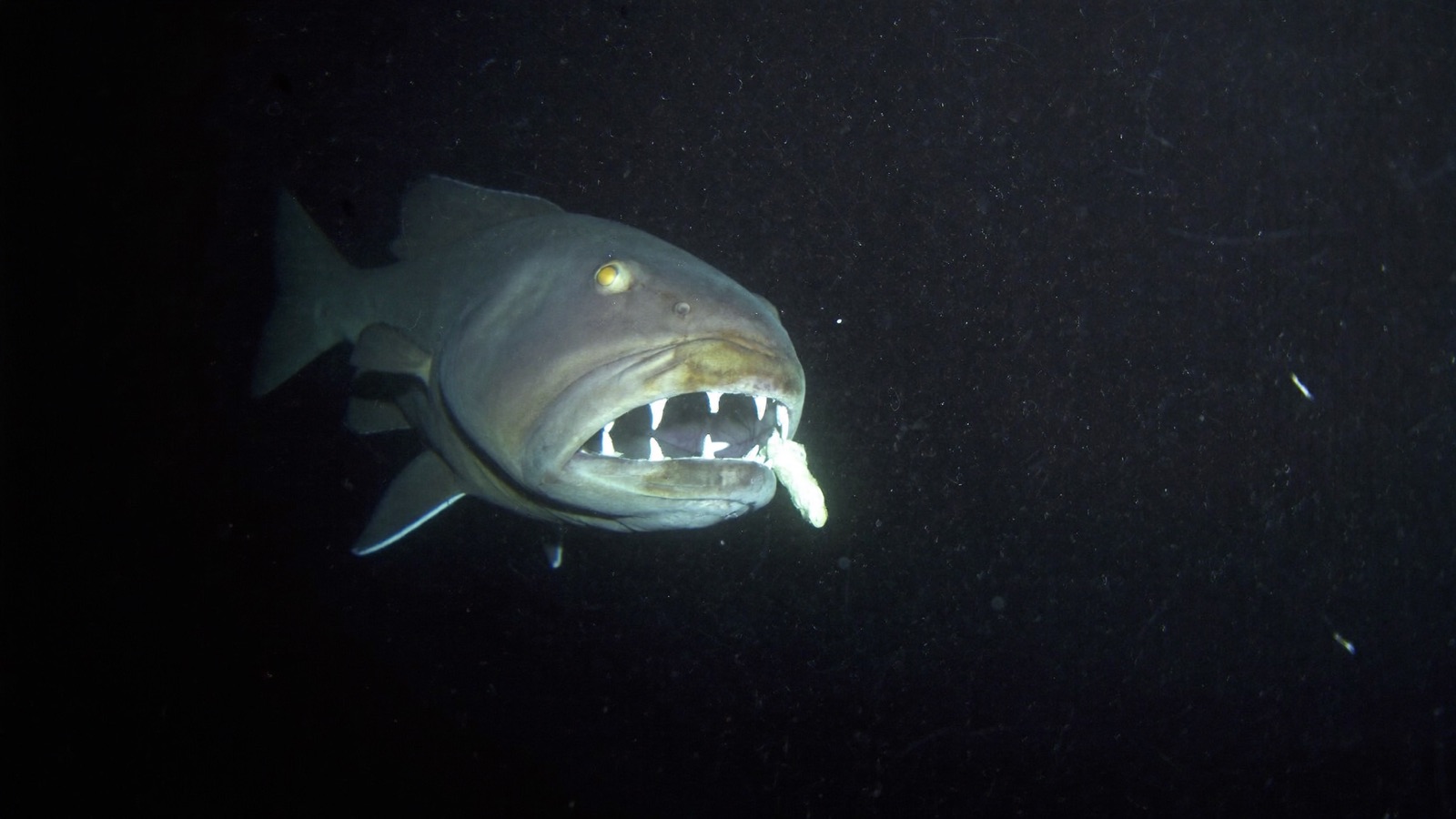
In the midnight zone, the only reliable light is the light an animal makes for itself. Lampyra runs dark on approach, then wakes her lamps for a few seconds at a time so we photograph these fish behaving, not fleeing.
Below six kilometers the ocean enters the hadal zone, named for Hades. Our multi-year Hadal Program targets the trench systems of the western Pacific. These are lightly edited excerpts from the shipboard log, kept by whoever is on the con.
Touchdown on soft rust-colored ooze. Within four minutes an amphipod swarm found the bait plate. We counted more than three hundred individuals in a single frame. Nothing about this place is empty. It is only quiet.
Recovered a sediment core and a length of frayed longline that does not belong here. Plastic fibers at nearly eight kilometers down. We logged it, photographed it, and bagged a subsample for the microplastics team in Monterey.
A snailfish held station beside the dome for almost a minute, translucent and unbothered by the lights. This is very likely the deepest fish anyone on this crew has watched swim. Nobody spoke on the con until it drifted off.
Full descent. The tether counter reads what we came for. Pressure out here is more than a thousand times the surface. Lampyra took the last thirty meters slow, and the mud rose to meet her like it had been waiting.
Abyssline is a 501(c)(3) nonprofit. Ship time, tether, and sensors are expensive, and the trench is not going to fund itself. Membership tiers are named for the zones you help us reach. Every gift is tax-deductible.
Prefer to give once? A one-time gift of any size goes straight to ship fuel and sensor repair. Contact our team at support@abyssline.org.